




New Conscious Fashion Category To Debut At The 14th BCEFW
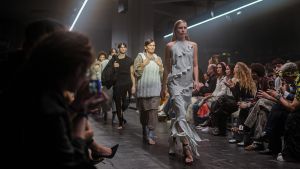
The Budapest Central European Fashion Week (BCEFW), organised by the Hungarian Fashion & Design Agency (HFDA), encourages brands to a more circular operation with a new initiative. The SS25 season is coming with a category featuring environmentally conscious brands. The initiative is further enhanced by a textile collection container placed at the venue as part of a three-way collaboration with MOHU MOL Waste Management Zrt. and Millenáris.
Budapest Central European Fashion Week, held between the 26th of August and the 1st of September 2024, will be expanded with a new category: The Conscious by BCEFW provides a platform for Hungarian and regional brands leading the way in an ethical and environmentally conscious operation. The designers who entered the category described the key characteristics of their brand based on conscious design and production processes in a detailed questionnaire. The questions on the application form assessed information on the supply chain, sustainable material use, and value-saving methods, among others. Then the Advisory Board, BCEFW’s international professional consultative body, made its decision based on the responses.
The birth of the Conscious by BCEFW category was preceded by the definition of the Conscious Fashion Initiative. Keeping consciousness in mind season by season, the HFDA considered it important to summarise and raise awareness of the significance of the values and principles of diversity, equality, sustainable design, consumer involvement, transparency and education. The organisers launched the new Conscious by BCEFW category as the manifestation of the initiative.
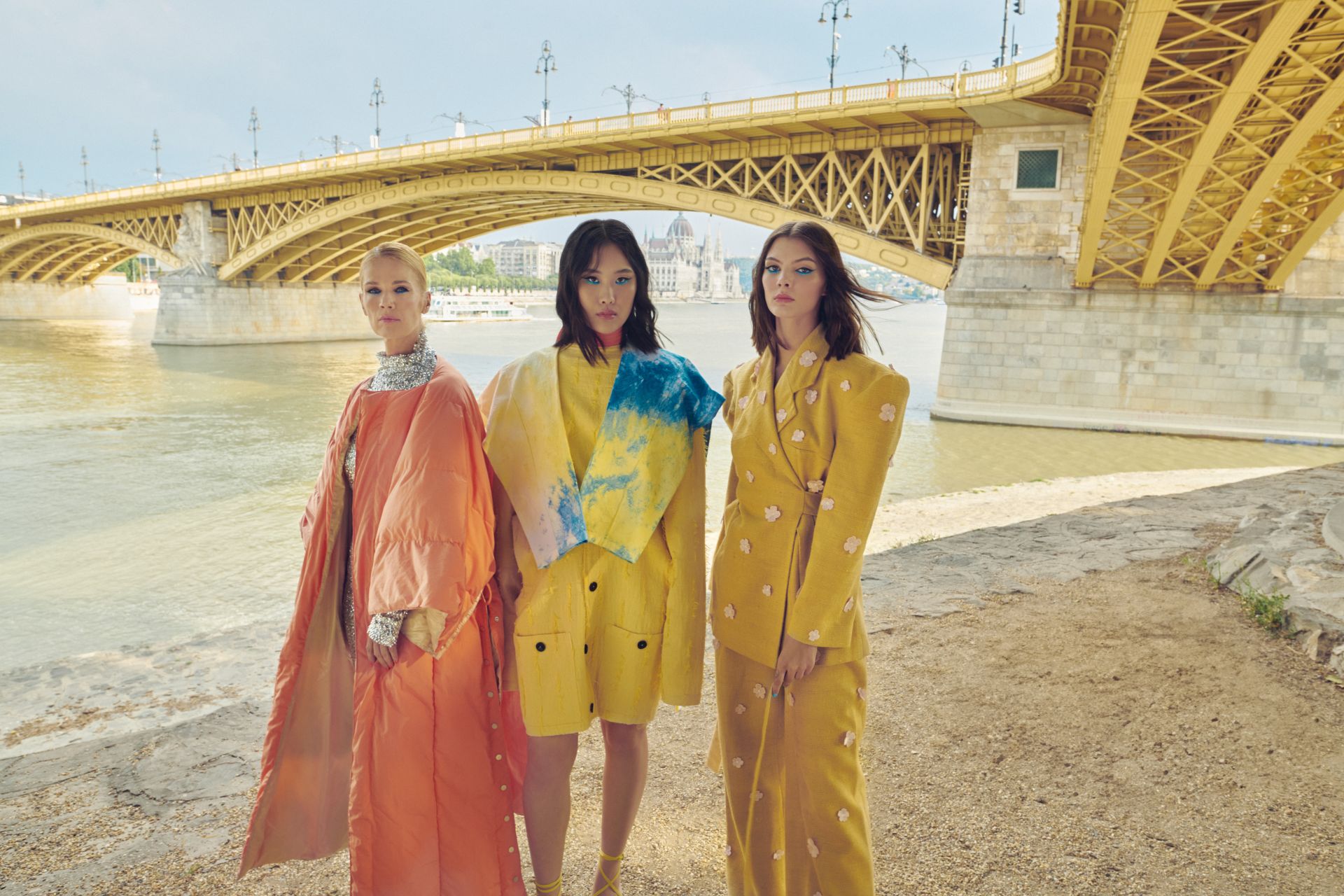
Based on the decision of the Advisory Board, local and regional brands that meet the values of the Conscious Fashion Initiative in all aspects and set an example to the industry with their conscious actions were selected for the new category. The BORBALA upcycling collective creates patchwork garments from post-consumer plastic waste, used clothes, and leftover materials. MARKO FEHER, a brand from Bosnia and Herzegovina, places a great emphasis on vegan, slow fashion, and sustainable fashion principles, exemplified by their ethically produced, environmentally friendly garments decorated with embroidery and eco-printing techniques. PRINTA is one of the first environmentally conscious brands in Hungary, whose portfolio presents a range of limited edition, custom-designed clothing, graphics, and design objects that combine traditional craftsmanship with modern technology. SLANGSLANG’s capsule collections, created in collaboration with contemporary fine artists and fellow creators, are unique in that the materials are partly made from recycled marine plastics, and their graphic-oriented core collections of women's, men's and unisex pieces also focus on reducing their ecological footprint. Circularity is one of the main pillars of NANUSHKA’s sustainability strategy. The fashion house feels obliged to be transparent regarding its operations, material use, and processes.
A defining part of this year’s event series is the three-way collaboration with MOHU MOL Waste Management Zrt. and Millenáris, further strengthening BCEFW’s environmental endeavours and emphasising the importance of recycling to the public. Educating the public is a priority for all three organisations, which is also supported by the Fashion Week campaign. Textile waste accounts for the largest amount of waste generated and accumulated globally, with textile production almost doubling between 2000 and 2020. Throughout the weekend BCEFW programs, a textile collection container provided by MOHU will be available on-site for free use by the general public, the visiting audience, and industry participants. The joint campaign seeks to raise awareness of how small steps can also contribute to shifting to a circular economy, thus reducing environmental impact. The clothes and household textile waste placed in the container will be recycled by MOHU and its subcontractors.
Image gallery
More articles
The Hungarian Fashion & Design Agency Continues Its Operations Under the Name Creative Hungary Nonprofit Zrt.

BCEFW Young Talents Designers Featured in the Design POP-UP by ELLE Selection